
Seoul Hosts Defining Moment for the Paralympic Movement
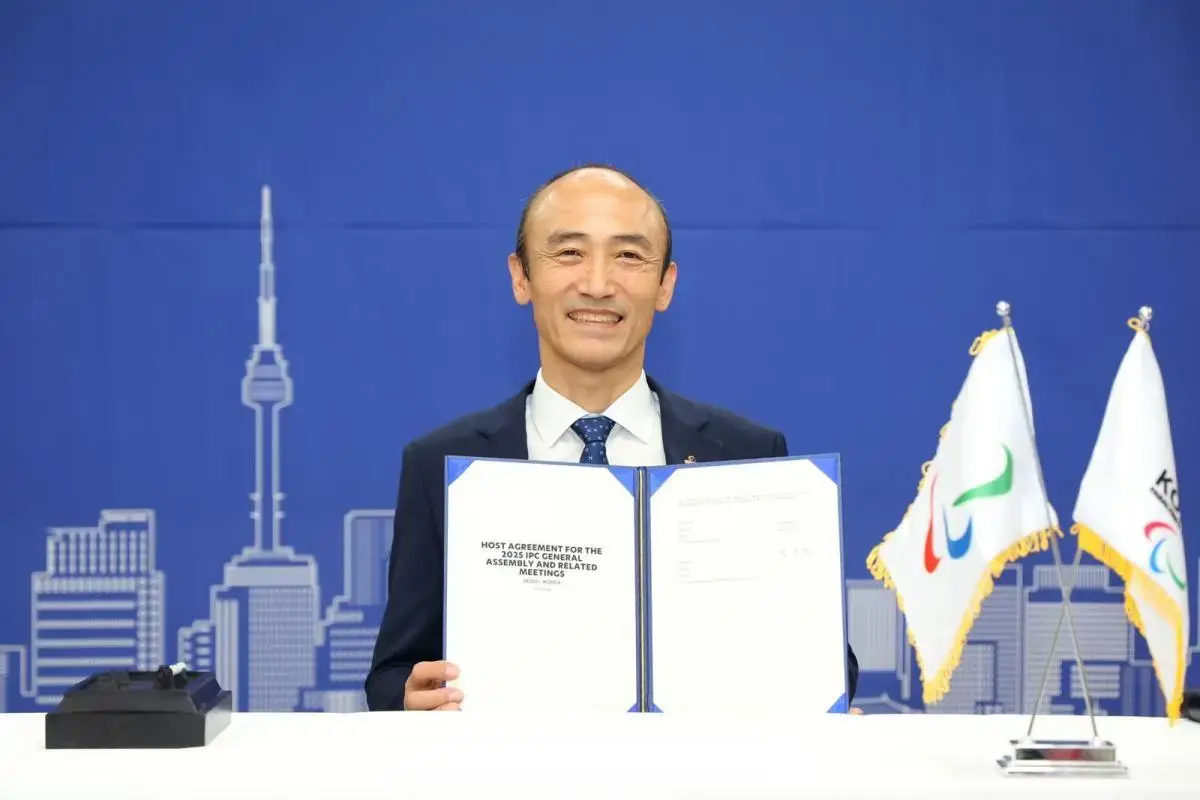
This week, the heart of the Paralympic Movement beats in Seoul. From 24–27 September, nearly 400 delegates representing 190 organisations will converge on the South Korean capital for the 22nd International Paralympic Committee (IPC) General Assembly and Conference — a gathering that could shape the future of Para sport for years to come.
More than just a meeting
The Assembly is often described as the Paralympic Movement’s parliament: a forum where ideas are exchanged, progress is reviewed, and decisions of global significance are made. This year, hosted by the Korea Paralympic Committee, it takes on even greater weight.
Over four packed days, leaders, administrators, and athletes-turned-officials will sit side by side to debate governance, recognise trailblazers, and elect the Movement’s next generation of leadership.
Stories to watch
The event opens with updates from IPC CEO Dr Mike Peters PLY and his senior leadership team, who will report on what Team IPC has achieved since Bahrain 2023. Members will also share case studies — moments of success, innovation, and resilience — offering lessons that can ripple across the global network of National Paralympic Committees.
Later that same day comes a highlight steeped in symbolism: IPC President Andrew Parsons will award the Paralympic Order, the Movement’s highest honour, to three individuals whose work has left a permanent mark on Para sport.
Thursday sets the stage for politics, with candidates for the IPC Governing Board laying out their visions in front of the membership. Behind the scenes, conversations in hotel lobbies and conference rooms are expected to hum with strategy as alliances are built ahead of Saturday’s vote.
High-stakes debates
On Friday, the Assembly itself begins — and with it, one of the most charged discussions of the week: the membership status of NPC Russia and NPC Belarus. Both committees were partially suspended last year. Now, members must decide whether to impose full suspension, partial suspension, or lift restrictions entirely.
The decision will reverberate beyond Seoul, touching on issues of fairness, politics, and the Paralympic Movement’s values.
Leadership on the line
Saturday belongs to the ballot. Two figures stand for the presidency: the incumbent Andrew Parsons, seeking a second term, and Dong Hyun Bae, bidding to bring the role to South Korea for the first time.
Vice-President roles and seven Member at Large seats are also up for grabs, with 26 candidates in contention. The IPC’s constitution requires gender balance on the Board, ensuring that at least three women and three men are elected among the Members at Large.
A movement at a crossroads
Every General Assembly leaves its mark, but Seoul’s gathering feels particularly pivotal. With Paris 2024 fresh in memory and the road to Los Angeles 2028 already underway, the decisions made here will influence how the Paralympic Movement grows, governs, and represents its athletes worldwide.
In the words of one long-time delegate at past Assemblies: “It’s more than votes and motions — it’s about who we are, and who we want to be as a Movement.”
For four days in Seoul, the answers to those questions will begin to take shape.